

Custom handmade crochet scarves offer fashion brands, retailers, and wholesalers more opportunities to develop distinctive accessory collections. Unlike standard machine-knitted scarves, crochet designs can incorporate different stitch patterns, textured surfaces, shaped ends, and decorative elements.
However, sourcing custom crochet scarves requires careful consideration of yarn specifications, craftsmanship, sample development, production consistency, and supplier capabilities.
For buyers planning wholesale or private label orders, understanding these factors helps reduce sourcing risks and avoid unexpected production costs.
This guide explains how to select materials, evaluate crochet craftsmanship, prepare product specifications, manage bulk production, and choose a suitable custom scarf sourcing partner.
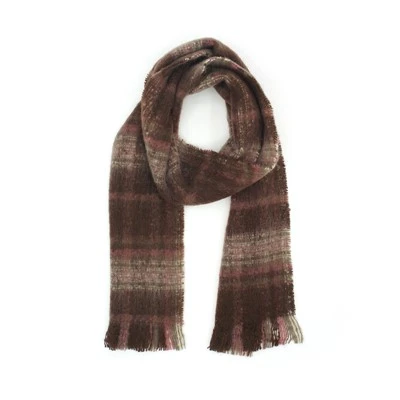
What Are Custom Handmade Crochet Scarves?
Custom handmade crochet scarves are accessories created by interlocking yarn loops using a crochet hook. They can be developed in different shapes, sizes, textures, and decorative styles according to a buyer's design requirements.
Compared with conventional machine-knitted scarves, handmade crochet designs provide more flexibility for specialized construction and decorative details.
Common product characteristics include:
Textured Construction: Different crochet stitches create distinctive surface patterns and fabric structures.
Custom Shapes: Designs can include shaped ends, irregular edges, and three-dimensional components.
Decorative Details: Additional crochet pieces, embroidery, and contrasting yarn colors can be incorporated.
Material Flexibility: Cotton, acrylic, chenille, wool, and blended yarns can be selected according to the design.
Design Customization: Length, width, colors, stitch patterns, and finishing details can be adjusted.
These characteristics make crochet scarves suitable for boutique collections, novelty accessories, seasonal fashion products, and private label developments.
For wholesale buyers, the main consideration is whether the supplier can translate the design reference into a repeatable production specification.
How to Choose Yarn for Custom Crochet Scarves
Yarn selection affects the finished scarf's appearance, softness, weight, stitch definition, and production cost.
The appropriate material depends on the intended design, target market, product positioning, and construction requirements.
Common Yarn Materials for Crochet Scarves
Chenille Yarn
Chenille yarn has a soft, plush surface and a distinctive velvety appearance. It is often selected for chunky crochet scarves and novelty accessories.
Important considerations include:
- Yarn thickness and weight category
- Fiber composition
- Surface texture and softness
- Color availability
- Yarn consumption per finished piece
- Performance during crochet and finishing
For example, Category 5 bulky chenille yarn can be considered for designs requiring a thicker and fuller appearance. However, yarn category alone does not guarantee the same finished texture. Actual thickness and stitch appearance should be checked through sampling.
Cotton yarn provides clear stitch definition and a relatively smooth surface. It is suitable for decorative crochet details, lightweight accessories, and designs where individual stitches need to remain visible.
Acrylic Yarn
Acrylic yarn offers a broad range of colors and thicknesses. It can be considered for cost-conscious accessory collections and designs requiring consistent material availability.
Wool and blended yarns are commonly considered for colder-season scarves. Buyers should evaluate fiber composition, softness, warmth, weight, and care requirements.
How to Evaluate Yarn Substitutes
When the specified yarn is unavailable, buyers should not approve an alternative based on color alone.
A suitable substitute should be evaluated according to:
| Evaluation Factor | What to Check |
|---|---|
| Fiber Composition | Whether the material meets the required composition |
| Yarn Thickness | Whether the alternative creates a similar stitch size |
| Surface Texture | Whether softness and surface appearance are comparable |
| Color | Whether the shade matches the approved reference |
| Yarn Consumption | Whether the amount required per scarf changes |
| Finished Appearance | Whether the sample meets the original design requirements |
A material substitution should be tested through a physical sample before bulk production.
What Design and Craftsmanship Details Affect Production?
Custom crochet scarves may involve more complicated construction than standard rectangular scarf designs.
Design complexity directly affects handcrafting time, production costs, and quality inspection requirements.
Crochet Stitch and Tension
Crochet stitch patterns and tension influence fabric density, dimensions, and surface appearance.
Uneven tension may result in inconsistent widths, irregular edges, or variations between finished pieces.
Buyers should confirm the stitch pattern and use an approved sample as the reference for bulk production.
Three-Dimensional Construction
Some novelty crochet scarves feature shaped sections or three-dimensional components at the ends.
These designs require additional attention to:
- Component dimensions and proportions
- Structural stability
- Symmetry between both ends
- Connections between different crochet sections
- Overall appearance after assembly
For unusual shapes, reference photographs and detailed construction instructions help reduce misunderstandings during sampling.
Decorative Component Attachment
Contrasting crochet details, appliqués, and additional decorative elements need to be securely attached.
Quality checks should cover attachment strength, positioning, color consistency, and finishing.
Finished Dimensions
The finished length and width should be specified clearly. For scarves with special end structures, buyers should also provide measurements for individual components.
For example, a 170 cm crochet scarf with two shaped ends should specify whether the total length includes the shaped sections.
This clarification helps prevent measurement differences during sample approval and bulk production.
What Specifications Should Buyers Prepare Before Ordering?
A clear product specification is essential for custom crochet scarf development.
Providing only a product photograph may not be sufficient when a design includes unusual shapes, multiple materials, or additional decorative details.
Buyers should prepare the following information:
| Specification | Information to Provide |
|---|---|
| Design Reference | Technical drawings, photographs, or physical samples |
| Product Dimensions | Finished length, width, and special component measurements |
| Main Yarn | Fiber composition, thickness, brand, and color |
| Decorative Yarn | Material, color, and application details |
| Crochet Construction | Stitch patterns and structural requirements |
| Product Weight | Target weight, if specified |
| Finishing | Edge treatment and component attachment |
| Packaging | Individual bags, labels, hangtags, and branded packaging |
| Order Quantity | Expected quantity and quantity breakdown |
Why Technical Specifications Matter
Clear specifications help suppliers evaluate material requirements, production complexity, labor time, and sampling costs before confirming a quotation.
For example, when sourcing a beige chenille novelty scarf, the buyer should specify the yarn reference, finished length, construction of both ends, and decorative details.
The supplier can then assess material availability and production feasibility more accurately.
How to Ensure Consistent Quality in Bulk Crochet Production?
Handmade crochet production depends on craftsmanship and manual operations. Maintaining consistency across different workers and production batches is therefore an important consideration.
Buyers should establish clear quality requirements before confirming a bulk order.
Approve a Reference Sample
The approved sample should serve as the main reference for yarn selection, stitch appearance, dimensions, construction, and finishing.
Any changes to materials or design should be confirmed before mass production.
Standardize Production Instructions
Production instructions should cover:
- Yarn specifications and approved colors
- Crochet stitch patterns
- Finished dimensions
- Component construction
- Decorative attachment methods
- Finishing requirements
- Clear instructions help different production workers follow the same design requirements.
Establish Quality Inspection Criteria
Bulk crochet scarves should be checked according to agreed specifications.
| Inspection Area | Quality Check |
|---|---|
| Materials | Correct yarn type, composition, and color |
| Dimensions | Finished length and width |
| Stitching | Stitch consistency and visible defects |
| Construction | Shape, symmetry, and component connections |
| Decoration | Positioning and attachment strength |
| Finishing | Loose yarn ends and overall appearance |
| Packaging | Correct labels and individual packaging |
For handmade products, buyers should also agree on reasonable appearance and measurement tolerances before production.
What Determines the Cost of Custom Crochet Scarves?
The quotation for a custom handmade crochet scarf depends on material selection, design complexity, labor requirements, and order quantity.
Understanding the main cost components helps buyers compare supplier quotations more accurately.
1. Yarn and Material Costs
Material costs depend on fiber composition, yarn thickness, brand, color, and consumption per piece.
Specialty yarns or specific color references may affect purchasing costs and material availability.
2. Handcrafting Labor
Handmade crochet requires manual work. The number of stitches, construction complexity, decorative details, and finishing requirements all influence production time.
A simple rectangular scarf and a novelty scarf with shaped ends may have significantly different labor requirements.
3. Sampling and Development
Sample costs may include material preparation, pattern development, handcrafting, assembly, and design adjustments.
Complex designs may require additional sampling rounds.
4. Packaging Costs
Individual bags, custom labels, hangtags, and branded packaging should be included when calculating the total order cost.
5. Order Quantity
Larger orders may improve material purchasing efficiency and production planning. However, handmade labor remains an important cost component.
Buyers can request tiered quotations at different quantities, such as 50, 100, 300, 500, and 1,000 pieces, to evaluate the relationship between order volume and unit price.
When comparing quotations, buyers should also check whether sampling, packaging, inspection, and transportation costs are included or quoted separately.
How to Choose a Reliable Custom Crochet Scarf Supplier?
Choosing a suitable supplier involves more than comparing unit prices.
Buyers should evaluate whether the supplier can coordinate the complete sourcing process, from material selection to final delivery.
Material Sourcing Capability
A suitable supplier should be able to identify yarn options that meet the buyer's specifications and evaluate alternatives when the original material is unavailable.
Sample Development Coordination
The supplier should be able to coordinate sample development based on design references, dimensions, material requirements, and construction instructions.
Production Resource Evaluation
For specialized handmade products, buyers should confirm whether the supplier has access to qualified crochet workers or suitable partner workshops.
Production arrangements and actual craftsmanship should be verified before order confirmation.
Quality Control
Suppliers should establish inspection procedures covering materials, dimensions, construction, decorative details, and packaging.
OEM and Private Label Support
For brands and retailers, customization may include product colors, patterns, labels, hangtags, and packaging.
Buyers should confirm which options can be supported and whether additional costs or minimum quantities apply.
Export and Shipping Coordination
International buyers should confirm available shipping methods, estimated delivery times, packaging requirements, export documentation, and applicable import duties.
For shipments to the United States, DDP arrangements should be confirmed according to the actual shipping route, customs requirements, and tax arrangements.
Custom Scarf Sourcing Support from Hangzhou XingHeMei Imp. & Exp. Co., Ltd.
Hangzhou XingHeMei Imp. & Exp. Co., Ltd. provides scarf sourcing and export coordination services for international brands, retailers, wholesalers, and importers.
With over 10 years of industry experience and long-term partner factories in Zhejiang and Jiangsu, XingHeMei supports buyers through different stages of custom scarf development and order fulfillment.
Our Sourcing and Customization Support
Material Sourcing
We coordinate the sourcing of silk, cashmere, wool, cotton, linen, polyester, and blended materials according to product requirements.
Custom Product Development
We coordinate product sampling based on buyer-provided designs, reference photographs, dimensions, materials, colors, and finishing requirements.
OEM and Private Label
We support customization of patterns, colors, labels, packaging, and other product details according to project specifications.
Partner Factory Coordination
We work with long-term partner factories in Zhejiang and Jiangsu to coordinate suitable production resources according to product requirements.
For specialized handmade crochet designs, production feasibility and available craftsmanship are evaluated individually.
Production Follow-Up
We communicate with partner factories, follow production progress, and coordinate order specifications throughout the production process.
Quality Inspection
We arrange quality checks covering product appearance, dimensions, material specifications, and finishing requirements.
Export Coordination
We support packaging arrangements, shipment coordination, and export documentation for international orders.
Rather than offering a fixed production arrangement for every design, XingHeMei evaluates each project according to its materials, construction requirements, order quantity, and delivery expectations.
Whether you are developing a seasonal scarf collection, a private label accessory range, or a custom novelty scarf, our team can help coordinate suitable sourcing and production resources.
Frequently Asked Questions About Custom Handmade Crochet Scarves
Q1. Can I Customize The Size And Design Of A Crochet Scarf?
Yes. Custom crochet scarves can be developed according to specified lengths, widths, colors, stitch patterns, shaped ends, and decorative details, subject to production feasibility.
Q2. What Yarn Is Suitable For Handmade Crochet Scarves?
Chenille, cotton, acrylic, wool, and blended yarns are common options. The appropriate choice depends on the desired texture, product weight, stitch definition, and target price.
Q3. Can I Request A Specific Yarn Brand Or Color?
Yes. Buyers can provide a yarn brand, color reference, fiber composition, and thickness specification. Material availability should be confirmed before sampling.
Q4. What Is The MOQ For Custom Crochet Scarves?
MOQ depends on design complexity, material sourcing, production arrangements, and packaging requirements. The actual minimum quantity should be confirmed after reviewing the product specifications.
Q5. Can I Receive A Sample Before Placing A Bulk Order?
Yes. Sample development is recommended for checking yarn selection, crochet techniques, finished dimensions, construction, and appearance before mass production.
Q6. How Long Does Bulk Production Take?
Production lead time depends on order quantity, design complexity, material availability, and available production resources. A confirmed timeline should be provided after sample approval and order review.
Q7. Can I Customize Labels And Packaging?
Custom labels, hangtags, and individual packaging can be coordinated according to branding and packaging requirements.
Q8. Can Custom Crochet Scarves Be Shipped To The United States?
International shipping can be coordinated according to order quantity, destination, packaging, and delivery requirements. Shipping methods, costs, and DDP availability should be confirmed for each order.
Conclusion
Sourcing custom handmade crochet scarves requires careful evaluation of yarn specifications, craftsmanship, design details, production consistency, and supplier capabilities.
For wholesale buyers and fashion brands, a detailed product specification, approved sample, and clear quality inspection standards are essential for managing production risks.
Hangzhou XingHeMei Imp. & Exp. Co., Ltd. supports international scarf buyers through material sourcing, custom product development, partner factory coordination, production follow-up, quality inspection, and export services.
If you are planning to develop custom crochet scarves or expand your private label scarf collection, contact XingHeMei to discuss your design references, material requirements, and order specifications.
Develop Your Custom Scarf Collection with XingHeMei.