

Introduction
When developing a scarf collection, choosing between a pure cashmere scarf and a cashmere blend scarf affects material cost, product performance and market positioning.
Pure cashmere scarves are valued for their softness, lightweight warmth and premium appeal. Cashmere blend scarves combine cashmere with other fibers, such as wool, silk, cotton or synthetic fibers, offering more flexibility in fabric development and cost management.
Which option is better for your product line? This guide compares their key differences and explains why cashmere blend scarves can be a practical choice for brands, retailers and wholesalers.
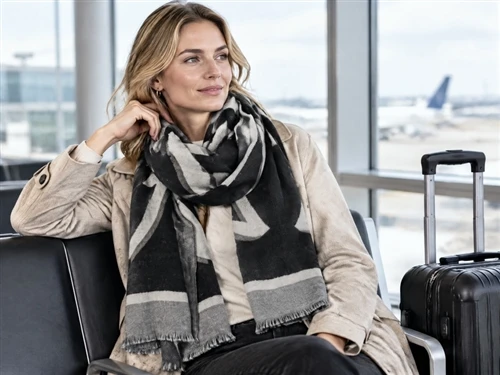
What Is a Pure Cashmere Scarf?
A pure cashmere scarf is made from cashmere fibers without intentionally blending other fiber types. Cashmere comes from the fine undercoat of cashmere goats and is valued for its soft texture and thermal insulation.
Its main characteristics include:
Softness: Fine fibers create a soft, comfortable hand feel.
Lightweight Warmth: Provides insulation without requiring a heavy fabric.
Premium Positioning: Suitable for luxury and high-end winter collections.
Natural Fiber Appeal: Supports product ranges focused on natural animal fibers.
Pure cashmere is a suitable choice for brands emphasizing cashmere content and premium product positioning. However, buyers should consider raw material costs and verify fiber composition before purchasing.
What Is a Cashmere Blend Scarf?
A cashmere blend scarf combines cashmere with other fibers to achieve specific fabric characteristics and product requirements.
Common cashmere blends include:
Cashmere and Wool: Offers options for adjusting warmth, texture and material cost.
Cashmere and Silk: Can create a smoother surface and refined appearance.
Cashmere and Cotton: Provides another option for adjusting fabric structure and seasonal positioning.
Cashmere and Viscose: Can contribute to softness and fabric drape.
Cashmere and Synthetic Fibers: Selected combinations may improve abrasion resistance or shape retention.
The final performance depends on fiber percentages, yarn construction, knitting or weaving methods and finishing processes. Therefore, buyers should evaluate the actual fabric rather than judge a product by its blend name alone.
Cashmere Scarf vs. Cashmere Blend Scarf: Key Differences
Both options can be used in winter scarf collections, but they serve different product strategies.
| Comparison Factor | Pure Cashmere Scarf | Cashmere Blend Scarf |
|---|---|---|
| Fiber Composition | Cashmere only | Cashmere combined with other fibers |
| Hand Feel | Naturally soft, depending on fiber quality | Adjustable through fiber selection and construction |
| Warmth | Lightweight insulation | Depends on blend ratio and fabric structure |
| Material Cost | Generally higher | More cost-control options |
| Fabric Development | Depends on cashmere yarn and construction | More fiber combinations and design options |
| Market Positioning | Premium and luxury collections | Premium and mid-range collections |
The main difference is product flexibility. Pure cashmere focuses on the characteristics of cashmere itself, while cashmere blends allow buyers to adjust material composition and fabric performance according to market requirements.
Why Choose Cashmere Blend Scarves for Your Product Line?
For brands and wholesalers, cashmere blend scarves offer several commercial and product development advantages.
Better Material Cost Control
Cashmere is a specialty animal fiber with a relatively high raw material cost. Blending it with other suitable fibers can reduce the amount of cashmere required while maintaining cashmere as part of the product composition.
This gives buyers more options when developing scarves for different retail price points. Actual savings depend on the cashmere percentage, fiber selection and production specifications.
Adjustable Fabric Performance
Different fibers contribute different characteristics to a blend. Buyers can select combinations according to requirements for softness, warmth, drape, texture and durability.
For example, cashmere-wool blends can be considered for winter scarves, while cashmere-silk blends may suit products requiring a smoother surface and refined appearance.
Wider Market Positioning
Cashmere blend scarves can be developed with different fiber ratios, fabric weights and constructions. This allows brands to build collections for different customer groups and price segments.
For wholesalers and retailers, a diversified material range can support more flexible product assortment planning.
More Design Flexibility
Cashmere blends offer additional options for yarn selection, knitting patterns, woven structures and fabric finishes.
Depending on production capabilities, buyers can develop:
- Different fabric weights and textures
- Solid colors and seasonal color combinations
- Ribbed, plain, jacquard and textured designs
- Long scarves, square scarves and shawl-style products
- Custom labels, hangtags and packaging
These options make cashmere blend scarves suitable for brands developing distinctive seasonal collections.
How to Choose the Right Cashmere Blend for Your Market
There is no single best cashmere blend ratio for every product. The right composition depends on the intended use, target customers and fabric requirements.
| Product Direction | Material Considerations |
|---|---|
| Premium Winter Scarves | Evaluate cashmere-rich blends with wool or silk |
| Fashion Scarves | Consider fabric drape, texture and appearance |
| Mid-Range Collections | Balance cashmere content, performance and target cost |
| Lightweight Scarves | Evaluate yarn fineness and fabric weight |
| Textured Scarves | Consider knitting patterns and yarn construction |
Before confirming a material, buyers should:
- Define the target retail price and product positioning.
- Select fiber combinations according to the intended fabric performance.
- Confirm fiber percentages and fabric specifications.
- Review samples for hand feel, appearance and construction.
- Approve the final sample before bulk production.
What Should Buyers Check Before Bulk Purchasing?
A clear quality specification helps reduce risks when sourcing cashmere and cashmere blend scarves.
Fiber Composition: Confirm the exact percentage of cashmere and other fibers.
Yarn Consistency: Check yarn thickness, appearance and consistency.
Pilling Resistance: Evaluate surface fuzzing and pill formation.
Dimensional Stability: Check whether the scarf maintains its dimensions after the specified care process.
Colorfastness: Assess fading and color transfer.
Workmanship: Inspect edges, stitching, knitting or weaving defects.
Labeling and Packaging: Confirm fiber-content information, care instructions and customized packaging.
For specialty animal-fiber blends, buyers can request relevant laboratory testing. ISO 17751-1:2023 specifies a light microscopy method for identifying and quantitatively analyzing cashmere, wool and other specialty animal fibers and their blends.
Custom Cashmere Blend Scarf Development with XingHeMei
Hangzhou XingHeMei Imp. & Exp. Co., Ltd. supports scarf sourcing, product development and export coordination for brands, retailers and wholesalers.
Working with partner factories in Zhejiang and Jiangsu, XingHeMei coordinates different scarf materials and product specifications.
Our services include:
Material Selection: Coordinate suitable cashmere and blended-fiber options.
Fabric Development: Explore different textures, knitting patterns and woven constructions.
Product Customization: Coordinate custom sizes, colors, patterns and fabric details.
Branding: Support private labels, hangtags and customized packaging.
Sample Follow-Up: Coordinate sample requirements and product revisions.
Order Coordination: Follow up on production communication, quality inspection arrangements and export packaging.
Whether you are developing a premium cashmere collection or a more flexible cashmere blend range, XingHeMei can help coordinate product development according to your specifications.
Frequently Asked Questions
Q: Is A Pure Cashmere Scarf Better Than A Cashmere Blend Scarf?
A: Not necessarily. Pure cashmere suits premium collections focused on cashmere content, while cashmere blend scarves offer more flexibility in cost management, fabric development and market positioning.
Q: Are Cashmere Blend Scarves Warm?
A: They can provide effective warmth. The result depends on the cashmere percentage, other fibers, yarn structure and fabric weight.
Q: What Is The Best Material To Blend With Cashmere?
A: There is no universal best combination. Wool, silk, cotton, viscose and selected synthetic fibers can be considered according to the required fabric characteristics and product positioning.
Q: Are Cashmere Blend Scarves Suitable For Wholesale?
A: Yes. Different fiber combinations and fabric constructions allow buyers to develop products for multiple price segments and customer groups.
Q: How Can Buyers Verify Cashmere Content?
A: Request a clear fiber-composition specification and relevant test documentation. Laboratory analysis can help verify cashmere content in specialty animal-fiber blends.
Q: Can Cashmere Blend Scarves Be Customized?
A: Yes. Depending on material availability and production capabilities, buyers can discuss fiber composition, sizes, colors, patterns, labels and packaging with their supplier.
Conclusion
Pure cashmere and cashmere blend scarves serve different product strategies. Pure cashmere is suitable for premium collections centered on cashmere content, while cashmere blend scarves offer greater flexibility in material selection, cost control, fabric performance and design development.
For brands and wholesalers planning diversified scarf collections, a well-specified cashmere blend can provide a practical balance between product characteristics and commercial requirements. Material verification, sample approval and clear quality standards remain essential before bulk purchasing.